


-

Add: HeBei ShengShi HongBang Cellulose Technology CO.,LTD.
-

Email
13180486930@163.com -

CONTACT US
+86 13180486930


Chemical materials have become an integral part of countless industries, enabling innovations and improving the quality of everyday products. Understanding the relevance and application of these materials can unlock potential for businesses and innovators alike . The chemistry behind these materials, their synthesis, applications, and safety considerations are imperative in establishing authority, expertise, and trustworthiness in the field. At the core of understanding chemical materials lies the expertise in their categorization and application. Chemical materials include polymers, ceramics, alloys, composites, and bio-materials, each playing unique roles in industrial and consumer applications. For instance, polymers such as polyethylene, polystyrene, and polyvinyl chloride are pivotal in the manufacturing of packaging materials, household goods, and clothing. Their versatility stems from customizable properties like flexibility, durability, chemical resistance, and cost-effectiveness. Ceramics, known for their thermal stability and hardness, contribute significantly to the creation of heat-resistant tiles, insulators, and optical materials. Expertise in ceramic engineering can push boundaries in electronics, automotive, and aerospace industries, promoting innovation and efficiency. Alloys, a union of metals, expand possibilities in structural applications due to their enhanced mechanical properties. The expertise in tailoring these alloys for specific applications like automotive parts, medical devices, and construction materials is critical to maintaining a competitive edge. The application of composite materials, which combine two or more constituent materials with differing physical or chemical properties, unveils new prospects in industries requiring lightweight yet strong materials. The aerospace and sporting goods industries benefit immensely from composites like carbon fiber-reinforced polymers due to their superior strength-to-weight ratio. Understanding the material science behind these composites allows for enhanced product performance and sustainability, reinforcing a company's innovative stature. Biomaterials merge the intricacies of biology with material science, creating substances suitable for medical applications such as prosthetics, dental implants, and tissue engineering. The safety standards and biocompatibility of these materials are paramount, demanding stringent testing and compliance with international regulatory bodies. Possessing expertise in biomaterials segments a company as a frontrunner in advancing medical technologies. chemical material The intricacies involved in the synthesis and processing of these chemical materials demand authoritative knowledge and experience. It is not only vital to innovatively synthesize these materials but also to sustainably source, process, and recycle them. Sustainable practices in material science, such as using bio-based polymers or recycled metals, significantly contribute to a company's trustworthiness and appeal in a market increasingly sensitive to environmental impacts. Furthermore, maintaining authoritative credibility requires adherence to high safety and quality standards. Industry certifications and accreditations testify to a company’s commitment to excellence and trust. Establishing trustworthiness involves transparency in sourcing materials, manufacturing processes, and engagement with stakeholders regarding product lifecycle and safety concerns. In a digital landscape where information is abundantly available, demonstrating expertise requires proactive engagement with research and continuous learning. Professionals involved in the development and application of chemical materials must bridge the gap between scientific breakthroughs and practical implementation, presenting information understandable both to peers and consumers. For businesses aiming to establish their expertise and authority, focusing on innovation in chemical materials is crucial. Practical applications explored through research collaborations and partnerships with academic institutions can lead to breakthroughs that redefine industries. Sharing such knowledge through credible platforms effectively positions a company as a leader in chemical materials, enhancing its visibility and reputation in both local and global markets. In conclusion, navigating the vast domain of chemical materials necessitates a blend of expertise, authority, trust, and experience. For companies in this field, this involves not only innovating with materials but also ensuring sustainable, safe, and efficient practices. By doing so, businesses not only contribute to technological advancements but also build a trustworthy brand that resonates with industry peers and consumers alike.
- 40000tons

Production
- 20+years

Experience
- 5000+㎡

Acreage

-

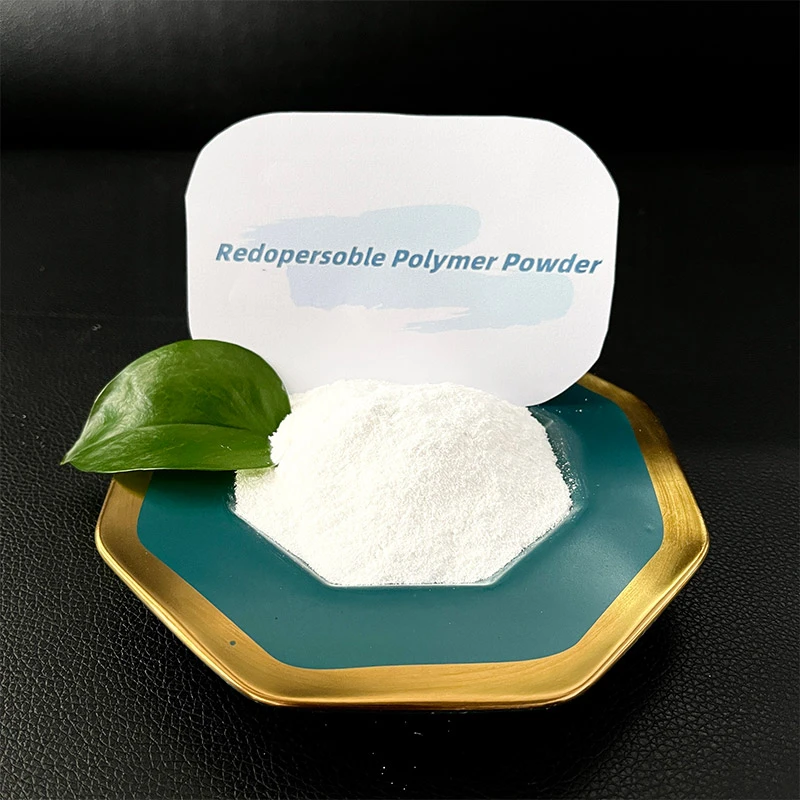
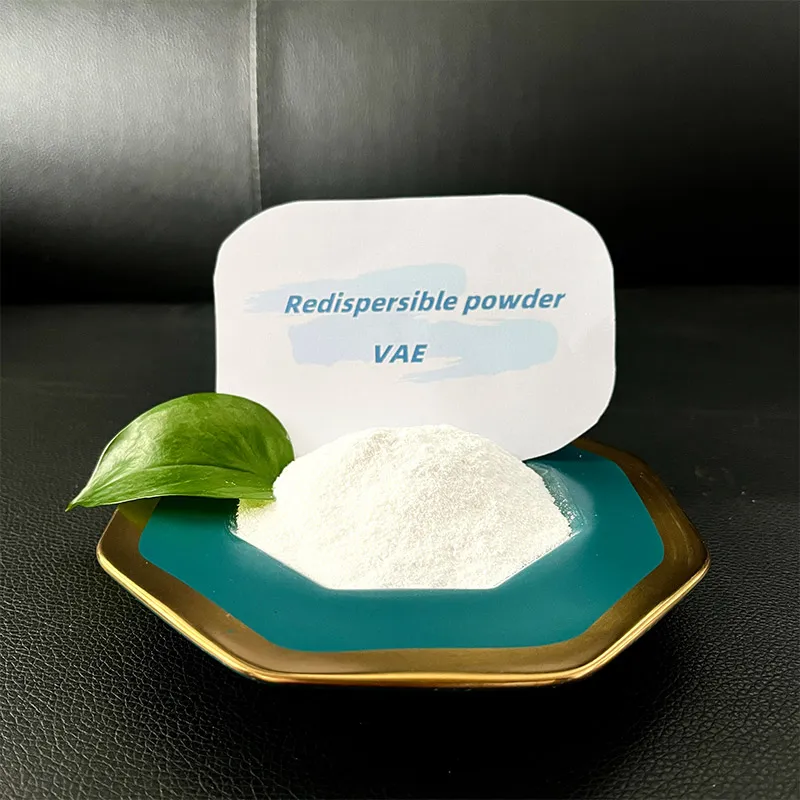
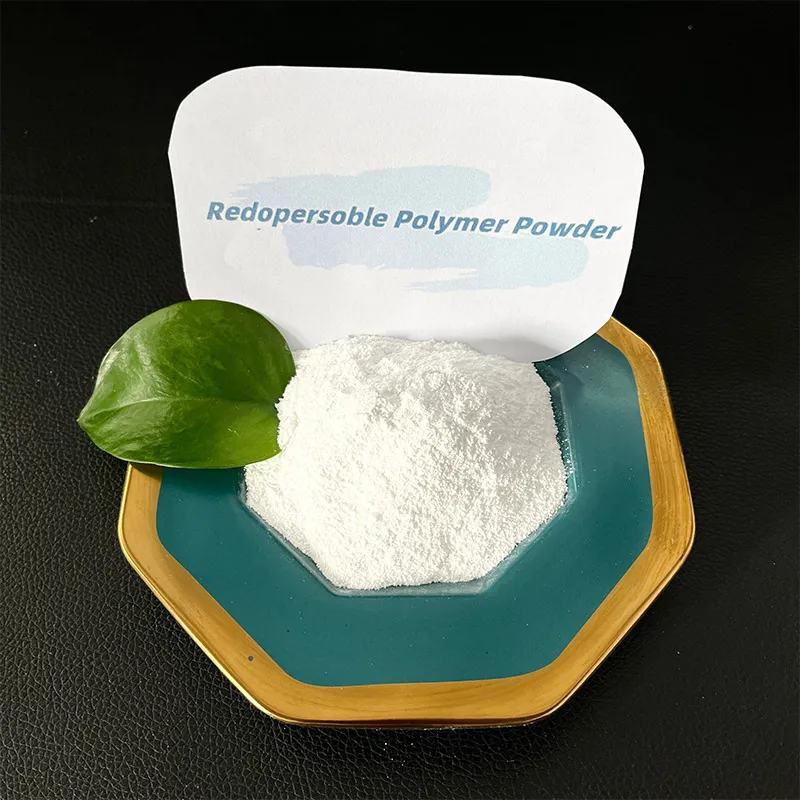
Redispersible polymer powder is an essential ingredient in many modern construction and manufacturing applications. This fine, white powder, which is derived from water-based polymer emulsions, plays a critical role in improving the adhesion, flexibility, and water resistance of a wide variety of products. Whether you’re in the construction, coatings, or adhesive industries, redispersible polymer powder can elevate the performance of your materials by enhancing their strength and durability. By incorporating redispersible polymer powder into your formulations, you can create products that stand up to the toughest environments and ensure long-lasting results. Discover the Many Uses of Redispersible Polymer Powder in Construction In the construction industry, redispersible polymer powder is a game-changer. It is commonly used in cement-based applications such as tile adhesives, plaster, and grout. By adding redispersible polymer powder to these products, you can significantly improve their flexibility, adhesion, and workability. The powder helps create a smoother, more even application while reducing cracking and increasing the overall durability of the materials. Redispersible polymer powder uses also extend to external wall insulation systems, self-leveling compounds, and dry-mix mortars. With its ability to form stable films when redispersed in water, this powder is an invaluable additive for high-performance construction materials that last. Get Competitive Redispersible Polymer Powder Price for Your Projects When sourcing redispersible polymer powder , understanding the redispersible polymer powder price is key to managing your budget efficiently. Prices can vary based on factors such as the grade of polymer, volume, and supplier, but we offer transparent and competitive pricing without sacrificing quality. Our redispersible polymer powder price ensures that you get premium products at the best possible value for your investment. Whether you're purchasing in bulk for large-scale projects or small quantities for specific formulations, we have pricing options that fit your needs. Reach out to us for more details on redispersible polymer powder price and how we can support your project with cost-effective solutions. Partner with Leading Redispersible Polymer Powder Manufacturers Choosing the right supplier is crucial when purchasing redispersible polymer powder . As one of the top redispersible polymer powder manufacturers , we offer a wide range of high-quality polymer powders designed to meet the unique needs of your business. Our products are manufactured using advanced processes to ensure consistency, performance, and reliability. By working with trusted redispersible polymer powder manufacturers like us, you can be confident that you're receiving a premium product that enhances the quality and durability of your materials. We pride ourselves on our customer-centric approach, providing fast delivery, excellent support, and the highest level of quality control. Why Choose Us for Your Redispersible Polymer Powder Needs? When it comes to sourcing redispersible polymer powder , we are the trusted partner you can rely on for consistent quality and excellent service. Our products are designed to meet the highest standards, and our redispersible polymer powder price is both competitive and fair. As leading redispersible polymer powder manufacturers , we offer custom solutions to suit your specific applications, whether in construction, adhesives, or coatings. With years of experience in the industry and a commitment to sustainability and innovation, we ensure that every product we deliver will exceed your expectations. Choose us for your redispersible polymer powder needs and take your products to the next level of performance and reliability.
-
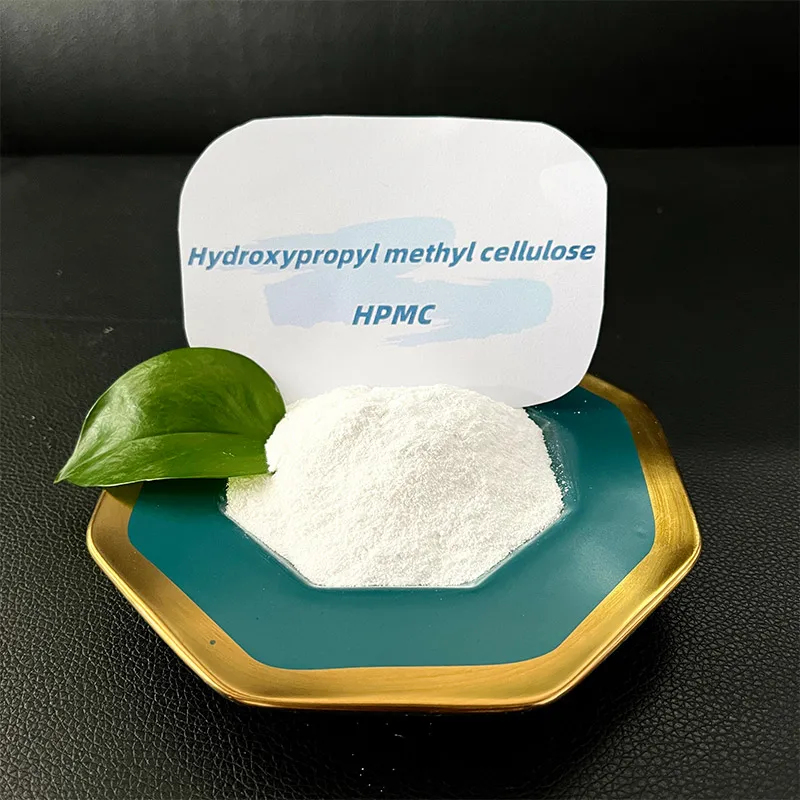
Hydroxypropyl Methylcellulose (HPMC) stands as an innovative polymer solution , lauded for its multifaceted applications across various industries. This versatile compound, classified under nonionic cellulose ethers, has emerged as a pivotal player in enhancing the functionality and performance of a plethora of products, from construction materials to pharmaceuticals, and even food and personal care items. Real-world applications of HPMC are a testament to its exceptional qualities. In the construction industry, it is integral in improving the properties of materials such as cement and gypsum. Contractors and engineers often highlight their personal experiences using HPMC as a reliable additive. Its functions in enhancing water retention, workability, and open time are well-documented, contributing to more efficient building processes and superior quality finishes. HPMC's ability to improve the texture and adhesion of construction components exemplifies its indispensable role in modern construction practices. From a professional standpoint, the pharmaceutical industry champions HPMC as a critical component in formulating controlled-release medications. Its non-toxic and biocompatible nature ensures safety and efficacy, forming an essential part of many oral and topical pharmaceuticals. Pharmacists and drug manufacturers praise HPMC for its ability to control the release profile of active ingredients, improving therapeutic outcomes and patient adherence. Additionally, its role in creating clear, stable suspensions in liquid medications underpins its professional endorsement. The authority of HPMC extends into the food industry, where it acts as a thickener, stabilizer, and emulsifier. Food scientists regularly emphasize its importance in maintaining the texture and consistency of processed foods. HPMC's heat-resistant properties make it ideal for improving food viscosity without altering taste or nutritional content, earning the trust of chefs and culinary professionals alike. Its use in gluten-free baking to enhance dough elasticity and maintain moisture serves as a perfect example of its authoritative position in food science. hydroxypropyl methylcellulose Trust in HPMC is further anchored by its regulatory approvals from agencies like the FDA and the EFSA. These endorsements underscore its safety and applicability in consumer products, fostering confidence among manufacturers and consumers. The transparency in its sourcing and manufacturing processes ensures that HPMC meets stringent quality standards, thus reinforcing its reliability and integrity. Beyond its technical benefits, HPMC is revered for its environmental friendliness. Professionals across various sectors increasingly acknowledge its sustainable production, which aligns with global movements towards greener manufacturing practices. Its biodegradability and derivation from natural cellulose enhance its appeal as an eco-conscious alternative to synthetic additives, further cementing HPMC as a preferred choice among environmentally aware businesses. The future potential of HPMC continues to expand as research and innovation unveil new possibilities and applications. Industries constantly seek improved formulations, and HPMC's adaptability to new demands speaks to its enduring relevance. As experts delve deeper into unlocking its untapped capabilities, it's clear that HPMC will remain a staple across multiple domains, continually shaping and enhancing industry standards. In conclusion, Hydroxypropyl Methylcellulose is more than just a versatile polymer; it's a cornerstone of contemporary product development and innovation. Its application breadth, coupled with authoritative endorsements and a robust track record of trust, makes HPMC a vital component in advancing industry practices and consumer products. As industries evolve, professionals and consumers alike can rely on HPMC to deliver quality, performance, and sustainability.
advantages
-

200000 Viscosities
Excellent product
We can produce pure products up to 200,000 viscosities
-

40000 tons
High yield
We don’t stop production all year round, and the annual output can reach 40,000 tons
-

24 hours
Quality service
We provide 24-hours online reception service, welcome to consult at any time
———— Inquiry Form
Schedule A services

-
 hpmc-hydroxypropyl_methyl_cellulose_manufacturer
Oct . 25, 2025
In the world of plastering and construction, achieving optimal working time and preventing premature -
 tagapagtustos_ng_hydroxypropylmethylcellulose
Oct . 25, 2025
Powder coating rubber might sound like a niche or a novelty in the world of surface finishing, but i -
 is_hpmc_safe
Oct . 25, 2025
Hydroxypropyl Methylcellulose (HPMC) is a multifaceted compound that has garnered significant attent


